
Radical and prophetic
SMP’s social media lead, Sara Loewenthal, shares her story about what first drew her to Percy Bysshe Shelley
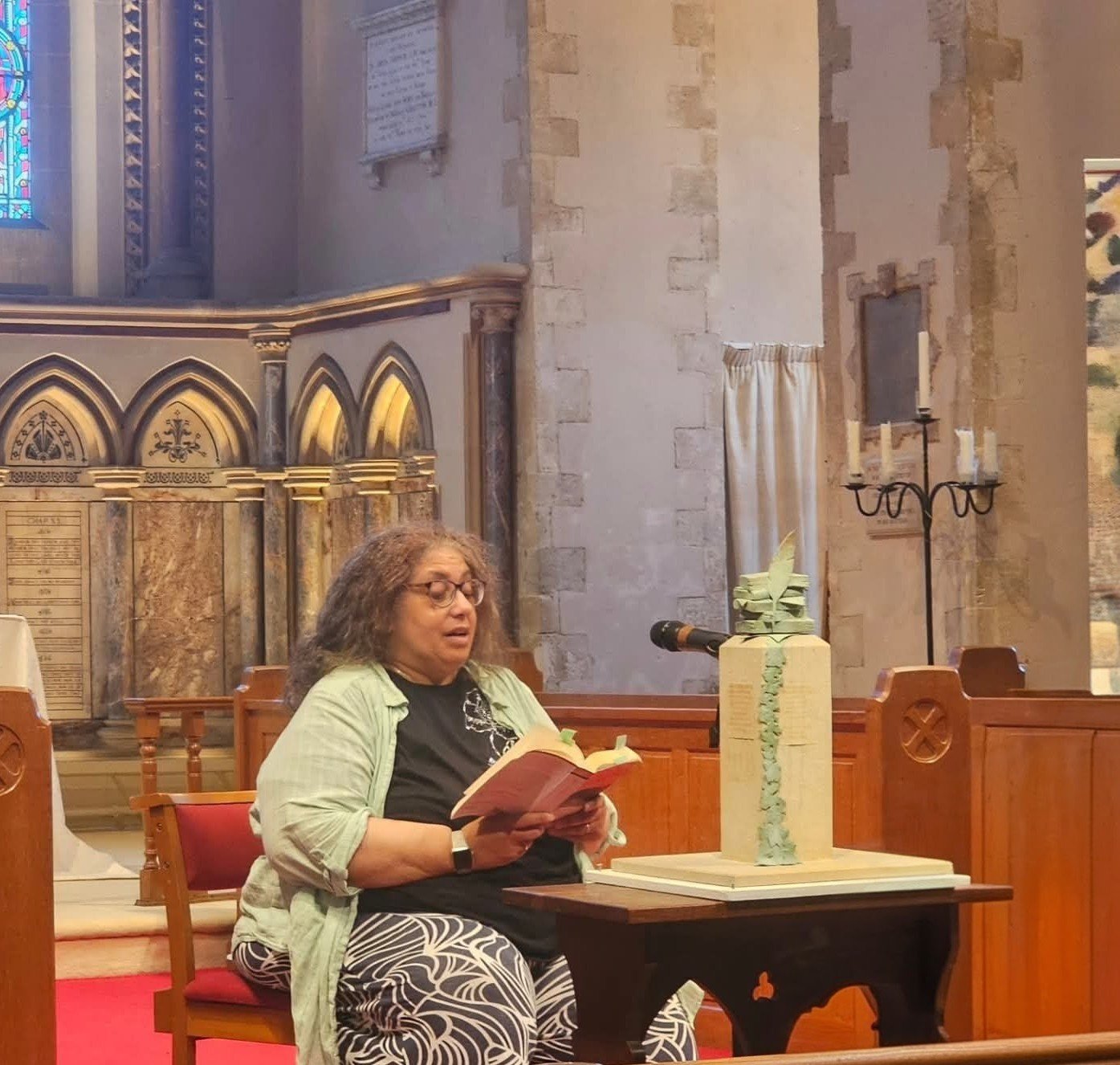
Sara Loewenthal shares her favourite Shelley poem at the 2026 Steyning Festival
As a teenager studying English Literature for my exams, it would be fair to say that romantic poetry didn’t really grab me. I grew up in an era of significant, radical change, and at the time, I was only interested in the radical. As a young mixed-race kid in London, I was into Marvin Gaye’s What’s Going On, Stevie Wonder, Bob Marley, Gil Scott-Heron and the early rappers like KRS-1 and then Public Enemy, then came punk and Two-Tone.
That changed when I watched an early 80s Arena documentary called Upon Westminster Bridge. The documentary is about the Jamaican dub poet, Michael Smith. In it, he and London based dub poetry legend, Linton Kwesi Johnson, meet with the great Trinidadian intellectual and radical, CLR James. James talks about his love for Keats and Shelley, but also observed the way that English poetry meant nothing to younger Caribbeans: something I fully understood.
Later in the programme, Smith reads the poem Song to the Men of England at Poets’ Corner in Westminster Abbey. It was so powerful to hear Shelley in a Jamaican accent. My opinion of English romantic poetry completely changed, and I began to seek out more of Shelley’s poetry. My interest began in earnest when I became part of the SMP.
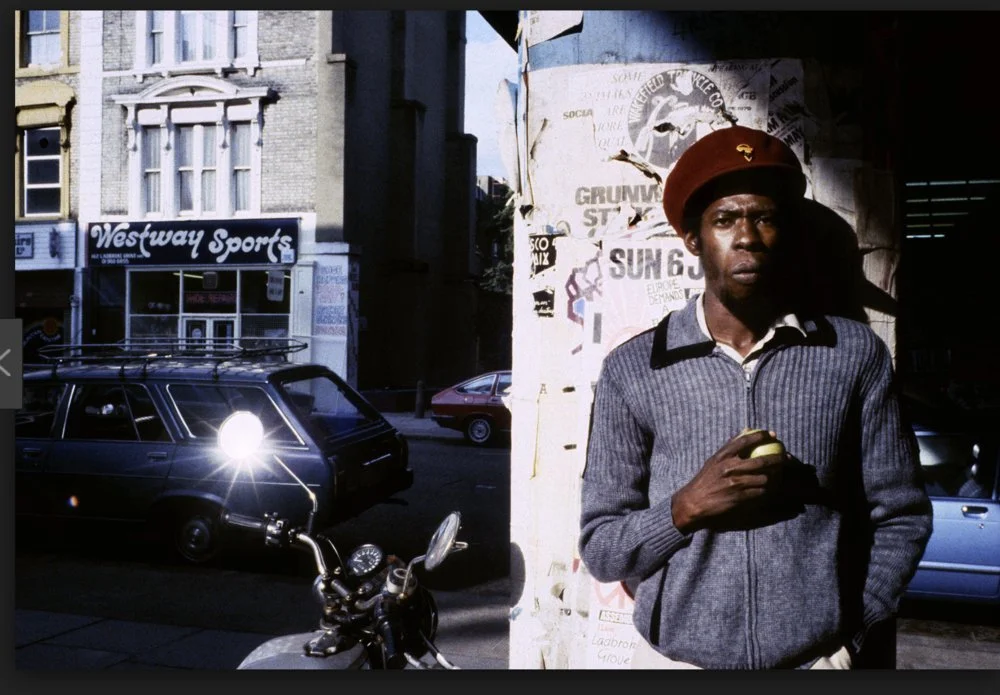
Michael Smith in the Arena documentary Upon Westminster Bridge
The significance of Shelley’s words can’t be underestimated, especially now. Shelley is asking the question of workers, ‘Why do you feed, clothe and arm the very people who oppress you?’ They are the ungrateful drones who ‘drink your blood’.
He falls short of calling for workers to revolt, however. He left that for The Masque of Anarchy. Rather, he suggests that they will ‘trace your grave and build your tomb’ with the very tools they use for the masters, while England itself becomes a sepulchre.
Later, though, the Chartists and other workers’ movements adopted the poem as an ‘anthem of resistance.’
Of particular interest to me is the use of ‘cradle to the grave’, a phrase we now associate with the Welfare State. Could it be that Shelley was already contemplating a system where the ‘bees of England’ would be taken care of and not just fetch and carry for the ‘ungrateful drones’ who take everything and contribute nothing?