
SMP at Warnham Parish Day
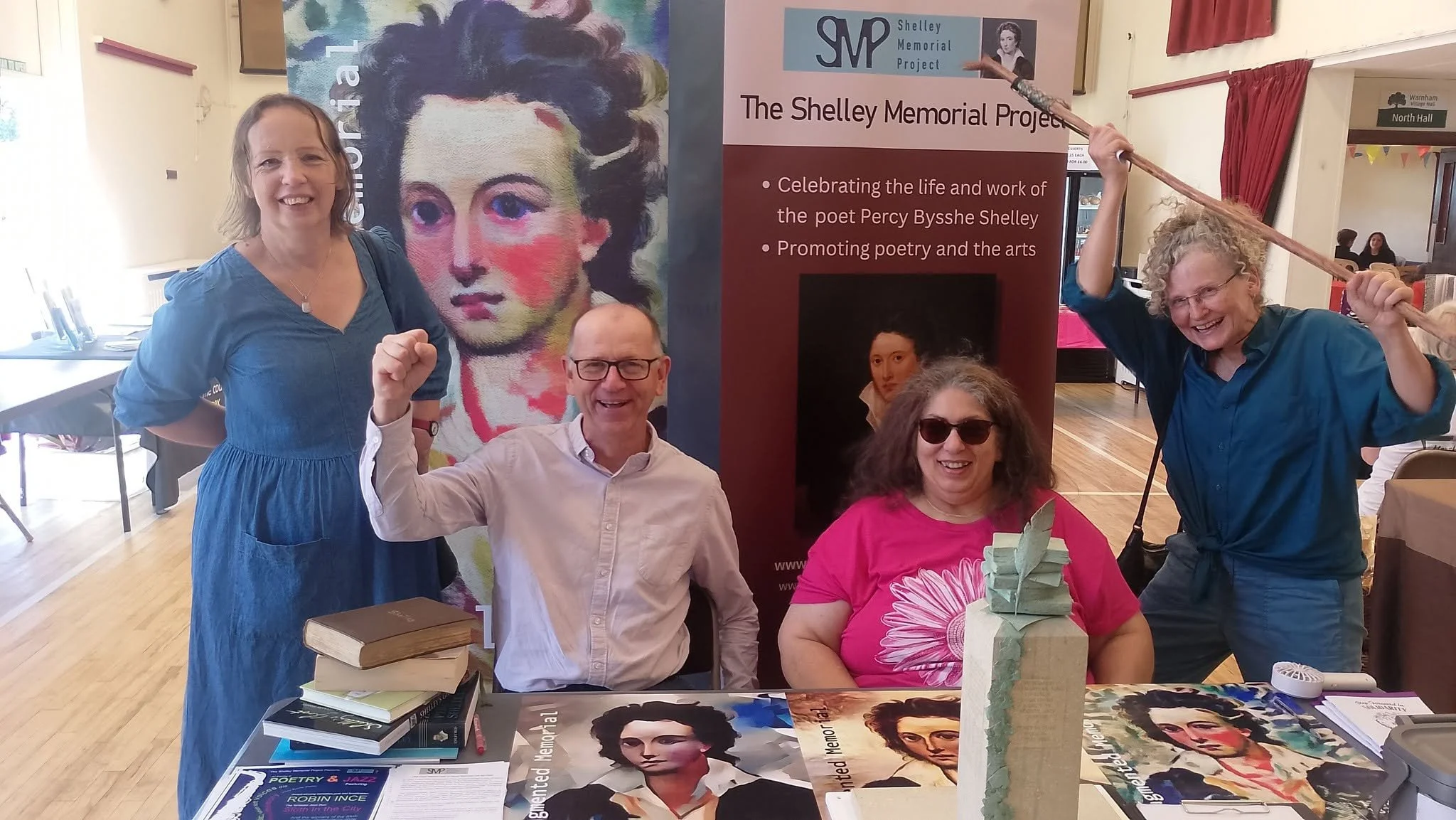
Members of the SMP at Warnham Parish Day
We were delighted to be invited to Warnham for their Parish Day in July. This village has the strongest connections to the great Romantic and radical poet Percy Bysshe Shelley, as he was born in Field Place, just a short walk from the village centre and baptised in St Margaret’s Church, just a stone's throw away from where we set out our stall in the village hall and spent the day promoting the work of our project.
We had many great conversations, and it was good to meet many locals and visitors who knew so much both about this remarkable poet and, just as importantly, our project, which is seeking to celebrate the ‘ most eminent person to whom Horsham (Warnham) can lay claim’
At the event SMP Director Carol Hayton was invited to deliver a talk on Warnham’s Famous Poet. As she pointed out, Percy Bysshe Shelley’s story begins not in the lecture halls of Oxford or the sunlit coast of Italy, but right here in the Sussex countryside.
The key moments from Carol’s presentation are included below:
A Family Rooted in Sussex History
Shelley was born in Field Place in 1792 and his early years were spent in and around Warnham.
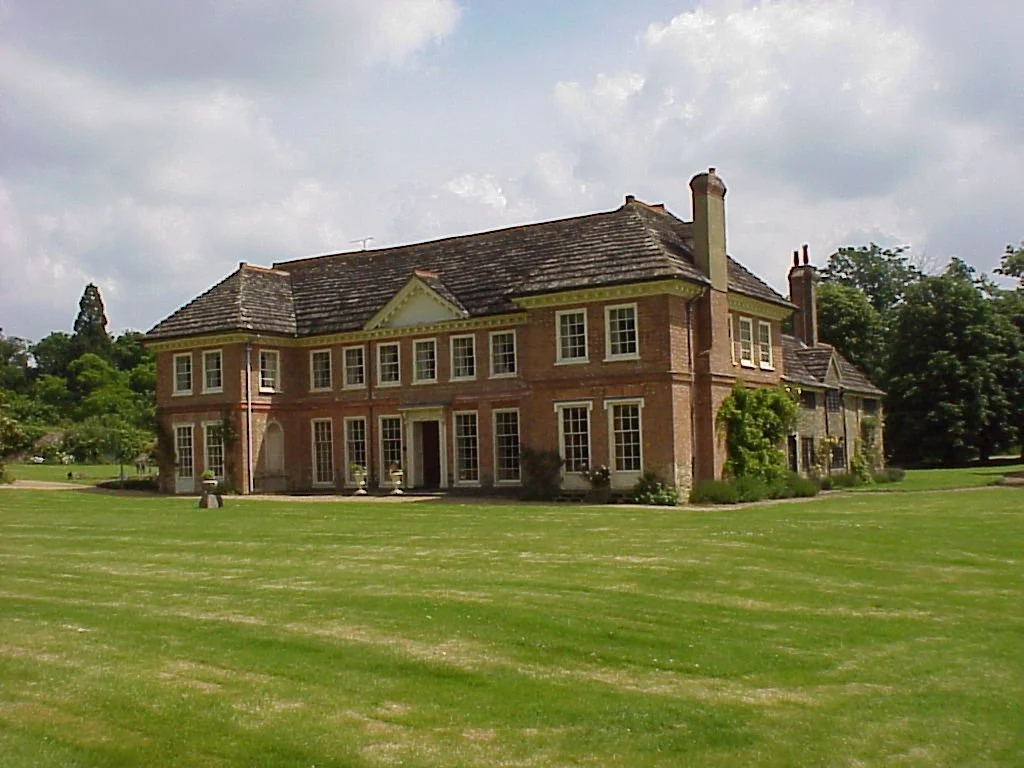
Shelley was born in Field Place in 1792
Those early years, walking across the fields and playing in the gentle landscapes of Warnham and beyond, were said to be the happiest of his life. They shaped the imagination of a boy who would grow into one of the most radical voices of the Romantic movement.
Shelley’s family were not only wealthy, but they were also deeply woven into Sussex history. Field Place, still standing today as a private residence, reflects the grandeur of the family’s status. This was a very well‑established Sussex family, which could trace its lineage back to William the Conqueror.
Across the county, traces of the Shelley name remain. In Warminghurst Church, a plaque commemorates Edward Shelley, a Tudor ancestor who improved the small church that still stands today. His vanished house and surviving plaque evoke the themes of Shelley’s famous poem Ozymandias, the impermanence of power and the fading footprints of human achievement.
Castle Goring, built by Shelley’s eccentric grandfather Sir Bysshe Shelley, still stands with its dual personality: Gothic castle on one side, Italian villa on the other. Though intended as a grand family seat, Sir Bysshe preferred the more modest Arun House in Horsham, another building that survives today.
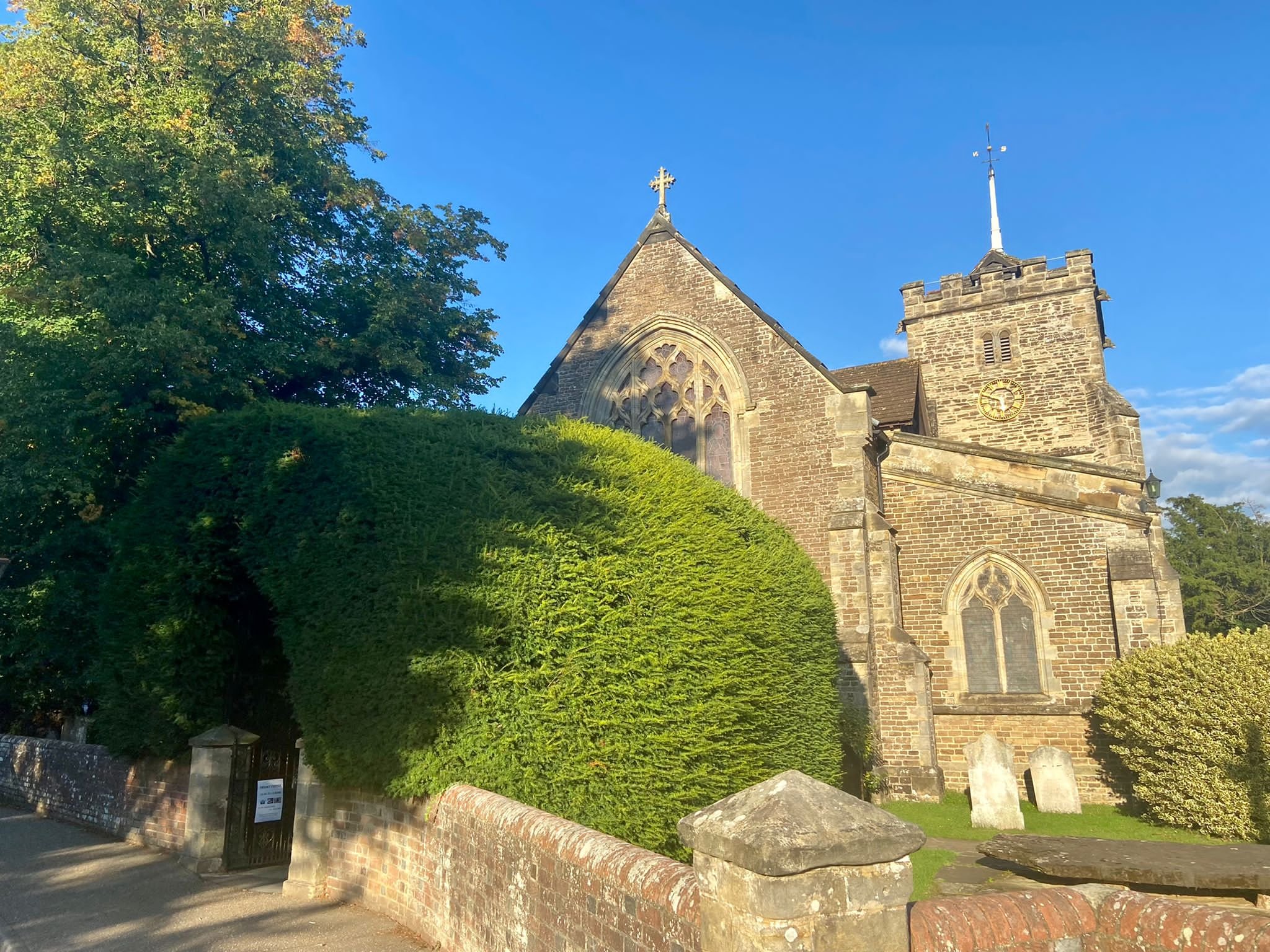
Shelley was baptised in St Margaret’s Church Warnham and was educated by the local vicar, Reverend Williams
A Childhood of Curiosity and Imagination
Shelley’s early education began in Warnham, where Reverend Williams introduced him to Latin. At Syon House Academy, his fascination with science, most especially electricity, led to enthusiastic experiments, “often with catastrophic results.”
He started writing poems when still a young person, including a surviving poem dedicated “To a Cat.” Time spent in Sussex brought him great joy: entertaining his six siblings with fantastical stories, sailing paper boats on Warnham pond, and writing poetry inspired by the countryside.
His time at Eton was far less enjoyable as Shelley’s refusal to conform to rituals such as fagging made him a target for bullying. Yet it was there that his radical ideas began to crystallise.
A World in Turmoil and a Young Poet refusing to conform
Shelley grew up in the shadow of revolution, born 16 years after the American Declaration of Independence and nine years after the French Revolution.
These seismic events shaped his belief in democracy, equality, and social justice. Observing the workers on his father’s estate, he recognised the stark divide between privilege and poverty.
His radicalism soon collided with authority. At Oxford, he and his friend Thomas Hogg published The Necessity of Atheism, refusing to admit authorship when confronted, they were expelled in 1811.
Returning home, Shelley clashed bitterly with his father, not only over the scandal, but over inheritance. Shelley wanted the estate divided equally among his siblings, rejecting the tradition that the eldest son should inherit everything. His father refused.
Then came another shock: Shelley eloped to Scotland with Harriet Westbrook, aged just 16. Shelley was 18. The rift with his family became permanent.
Romanticism, Revolution, and Restlessness
Shelley’s life after leaving Horsham was turbulent, brilliant, and often tragic. He travelled widely, wrote prolifically, and championed causes that made him a target of the establishment.
He became a leading voice of the Romantic movement, a movement that embraced imagination, nature, mysticism, and political engagement. Shelley famously described poets as ‘the unacknowledged legislators of the world.’
His personal life was equally dramatic. In 1814, he fell in love with Mary Godwin, daughter of Mary Wollstonecraft and William Godwin and eloped with her, leaving Harriet and their two children. Harriet’s later death by suicide haunted him deeply.
Shelley and Mary left England in 1816 and never returned. During their travels, Shelley wrote more than 400 poems and hundreds of essays. Mary, supported by Shelley, wrote Frankenstein, often considered the first science‑fiction novel.
A Legacy Born in Horsham, Carried Across the World
By age 29, Shelley had produced some of the most powerful radical poetry in English literature, including The Masque of Anarchy, written after the Peterloo Massacre, the occasion of a brutal attack on peaceful protesters calling for democracy.
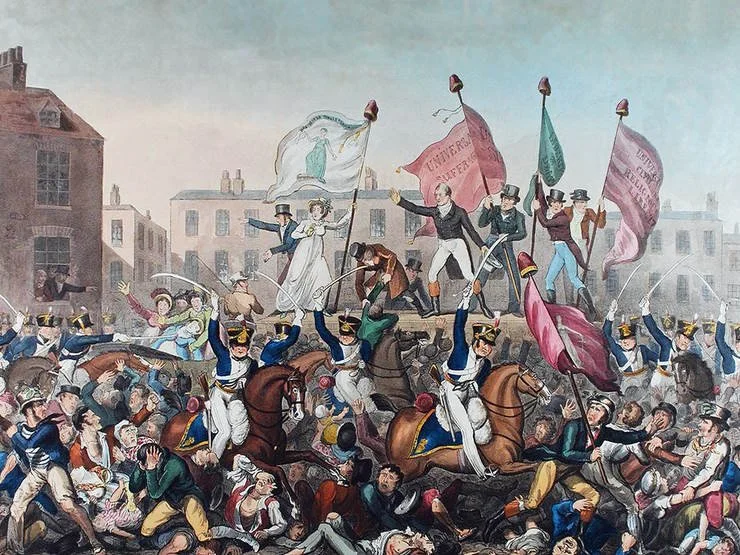
The Peterloo Massacre; Shelley’s poem The Masque of Anarchy has gone on to become the greatest protest poem to be written in the English Language.
Shelley’s work was published to great acclaim after his death and was admired by poets, poetry lovers and radical movements around the world.
Shelley died in 1822, drowned off the coast of Italy, just weeks before his 30th birthday.
His widow Mary ensured his genius was recognised. Their son Percy Florence inherited the family estate, and Mary lived for a time at Field Place and Castle Goring before moving to Bournemouth.
Why Shelley Still Matters and Why Horsham Should Celebrate Him
Shelley’s life was short, dramatic, and filled with conviction. He challenged injustice, defied convention, and wrote with a passion that still resonates today.
To know that such a voice, one of the great radicals and Romantics was shaped by the fields, ponds, and people of Horsham is something truly worth celebrating.
That is the mission of the Shelley Memorial Project: to honour the legacy of a young man from Horsham who changed the landscape of English literature.
The talk concluded with a discussion between the attendees including the current owners of Field Place. Kenneth Pritchard Jones has since been in contact with the project and has sent us an article he wrote for the Keats and Shelley Review entitled ‘The Influence of Field Place and Its Surroundings Upon Percy Bysshe Shelley’ We are pleased to reproduce the article here in full.
If you’re curious to learn more, about Percy Bysshe Shelley and our project contact us via our email shelleymemorialproject@btinternet.com